
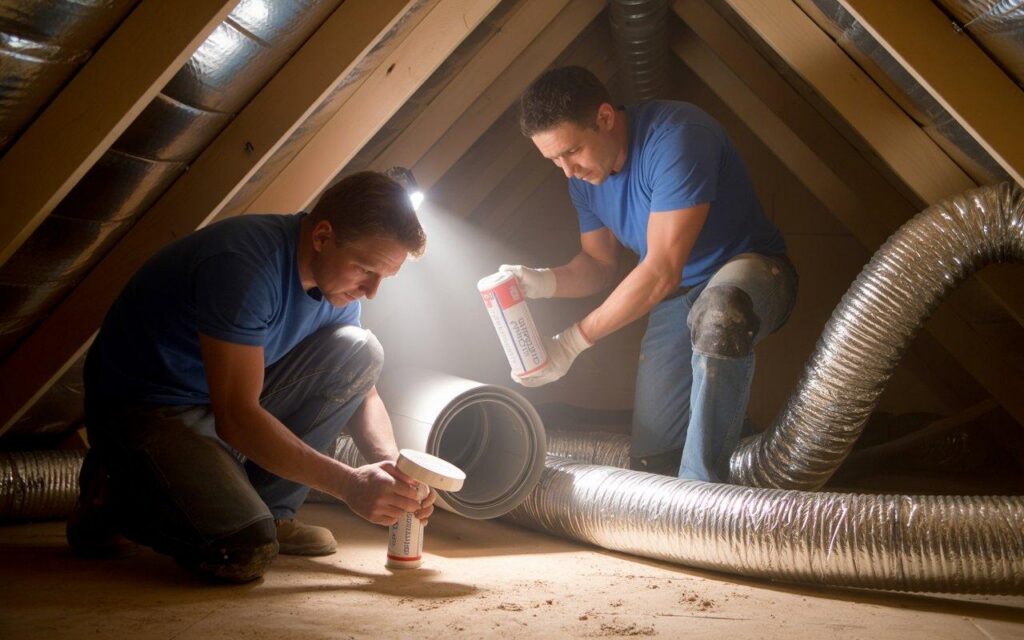
Wisconsin homeowners are accustomed to preparing for cold winters, sealing drafts, insulating attics, and keeping heating systems running reliably for months at a time. What that preparation often overlooks is what happens to the air inside a tightly sealed home over a long heating season. Without adequate ventilation and residential air quality monitoring, indoor contaminants can accumulate gradually to levels that affect health in ways that are easy to misattribute to other causes.
Why Wisconsin’s Climate Creates Specific Indoor Air Quality Risks
In warmer climates, homes benefit from natural ventilation for much of the year. Windows open regularly, air exchanges happen frequently, and indoor contaminants have consistent opportunities to dilute and escape. In Wisconsin, that ventilation window is significantly shorter. Homes remain sealed against the cold for extended periods, which means dust, biological contaminants, combustion byproducts, and VOCs from building materials and household products have fewer opportunities to clear from the indoor environment.
The result is a gradual buildup that accumulates across weeks and months rather than spiking in response to a single event, making it harder to identify without systematic monitoring.
Moisture and Cold: A Combination That Affects Indoor Air
Wisconsin winters create significant temperature differentials between indoor and outdoor environments. These differentials drive moisture migration through building assemblies, leading to condensation that can develop inside wall cavities, around window frames, and in attic spaces where it is not immediately visible. Over time, this concealed moisture creates conditions that support biological growth, which can affect indoor air quality well before any visible signs appear at the surface.
Older Wisconsin homes, particularly those with original insulation or aging window seals, are especially susceptible to this pattern.
Combustion Byproducts During Heating Season
Homes that rely on gas furnaces, fireplaces, or wood-burning stoves introduce an additional consideration during the heating months. Combustion appliances that are not properly maintained or ventilated can release byproducts, including carbon monoxide, nitrogen dioxide, and fine particulate matter into the living space. Because these contaminants are odorless or present at sub-threshold levels, they may go undetected without active residential air quality monitoring in place.
Regular monitoring provides the ongoing visibility needed to identify elevated readings before they reach levels that produce noticeable health effects.
The Health Effects That Often Go Unrecognized
Poor indoor air quality often develops gradually rather than creating an immediate health event. Because exposure occurs daily, occupants may become accustomed to changing indoor conditions without recognizing that the home environment itself has shifted. This makes ongoing monitoring particularly valuable, as it identifies changes that are difficult to detect through observation alone.
Residential air quality monitoring provides the data needed to identify whether the home’s indoor environment is contributing to these patterns and guides the appropriate corrective response.
Protect Your Home Through Every Season
Wisconsin’s climate makes indoor air quality a year-round consideration, not a seasonal one. At SE Cleaners, we provide professional residential air quality monitoring and indoor environment services designed to help Wisconsin homeowners understand what is present in their air, identify climate-driven risk factors, and make informed decisions about improving indoor conditions throughout the year.